Termite Inspection Checklist for Chesapeake Homeowners
This article explains a termite inspection checklist for Chesapeake, VA homeowners, so you know what to prepare before a visit and what a technician will check. Chesapeake sits beside the Great Dismal Swamp, and its wet soil and older crawl space homes give termites good conditions for much of the year. A simple checklist helps you give an inspector clear access and useful information.
Why a Chesapeake Termite Inspection Matters
Termites often cause damage for months before anyone sees a sign. A routine check helps catch activity early, when treatment is simpler and repairs are smaller. Homes with crawl spaces and wood that sits close to soil face the highest risk in this area, which is why a checklist focused on those spots pays off.
Checklist Before the Inspection Visit
Preparing ahead of time saves time and helps the technician focus on the right areas. Use this checklist before the visit:
- Clear a path to the crawl space access point.
- Move stored items away from the foundation walls.
- Note any mud tubes, swarmers, or discarded wings you have seen.
- Record any moisture problems, such as standing water or damp crawl space air.
- Gather records of past treatments, repairs, or inspections.
Preparing the Crawl Space and Foundation
Clear access helps the technician reach foundation walls, piers, and sill plates without delay. Make sure the access hatch opens easily and that a light source is available. If you have noticed damp insulation, dark stains on wood, or a musty smell, mention it before the visit so the technician can check those areas first. Keeping gutters and downspouts directed away from the foundation also reduces moisture near the crawl space.
What the Technician Checks
A thorough termite inspection follows a set path through the property. The technician looks at areas where termites can enter and hide.
- Foundation walls, piers, and slabs for mud tubes.
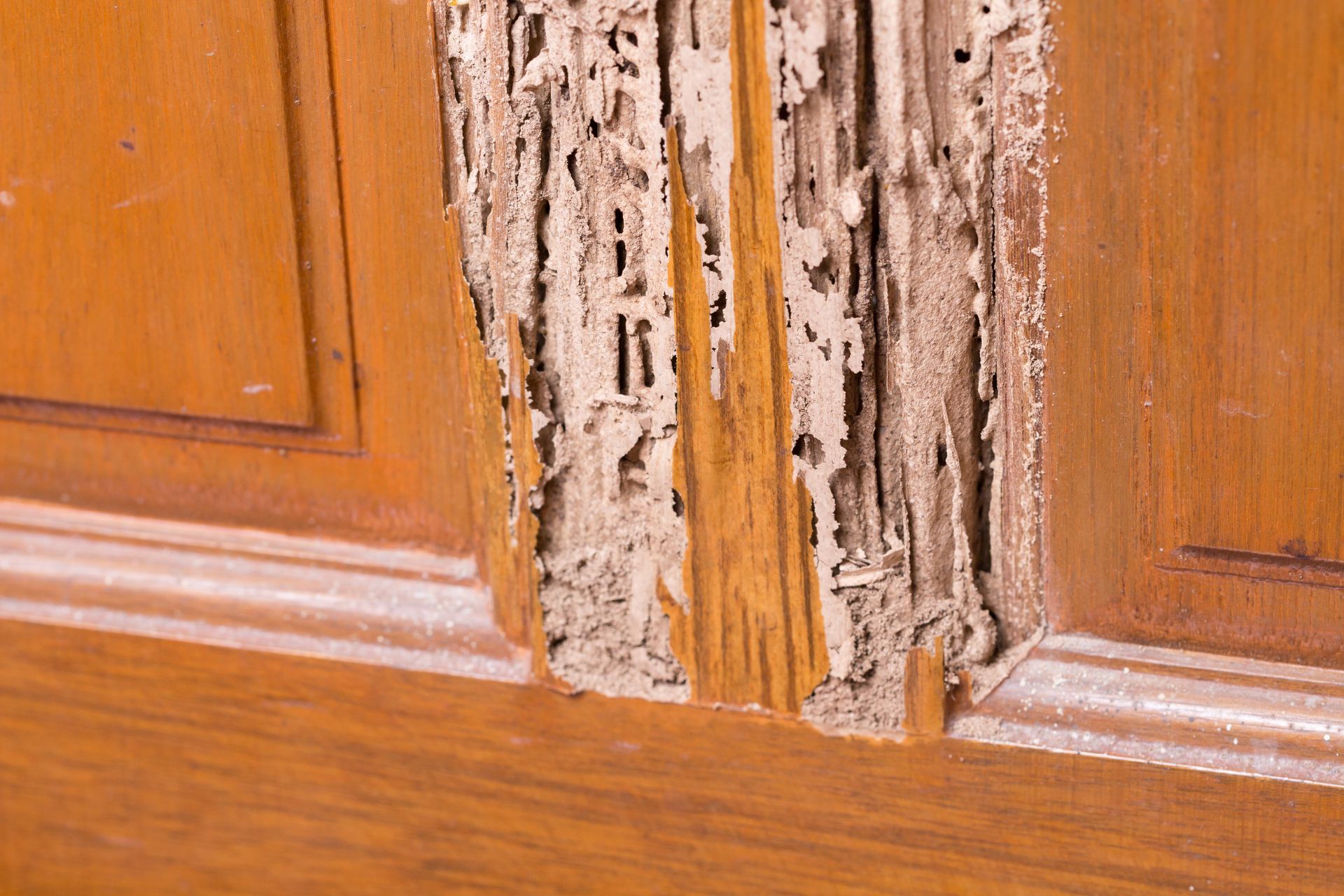
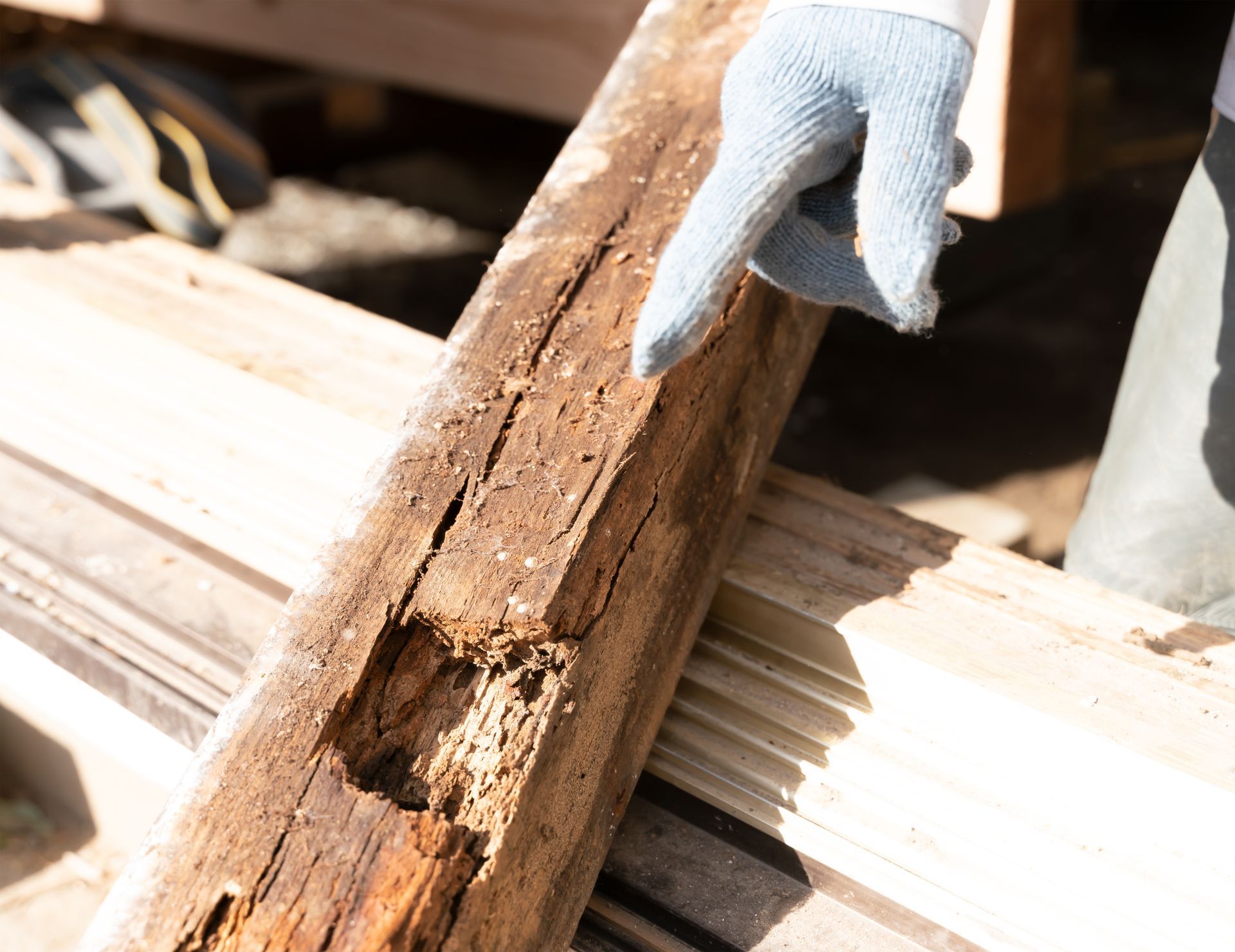
- Sills, joists, and subfloors for hollow or damaged wood.
- Wood that touches soil, such as steps, siding, or garden borders.
- Moisture levels and drainage around the home.
Signs That Need a Closer Look
Some signs point to active termites and should prompt a call right away. Hollow-sounding wood, blistered paint, and small piles of wings near windowsills all deserve attention. Doors or windows that begin to stick can also signal structural movement caused by damage.
How Chesapeake Conditions Affect Termite Risk
Chesapeake's humidity, high water table, and wooded lots shape where termites are most active. Properties near waterways and soil that stays damp well past spring face more pressure than drier sites. Swarm season can also start earlier after warm spring rains, so a visit scheduled in early spring can catch activity before it spreads through the wood.
Questions to Ask During the Visit
Asking the right questions helps you understand the findings. Ask what the technician saw, where the activity is, and whether any damage is present. Ask which treatment options fit the property and how each one is monitored. A clear written report makes it easier to compare options and track changes over time.
Reading Your Inspection Report
A useful report shows where activity was found, what condition the wood is in, and which steps are recommended. Photos of the affected areas help you understand the findings. If the report lists moisture problems, ask how they will be addressed, since leftover moisture can invite termites back.
Next Steps After the Visit
Once you have the report, compare the treatment options the technician describes and ask for a written plan. Schedule any recommended follow-up visits, and keep a simple log of moisture fixes such as drainage changes or vent repairs. Regular checks over the following year show whether conditions are improving. Confirm in writing when the next check is due, so the plan stays on track after the first visit.
Common Mistakes to Avoid Before a Visit
Small oversights can make a visit less useful. Many homeowners wait until they see obvious damage before booking a termite inspection, but termites often stay hidden inside wood for a long time. Others block the crawl space access with stored boxes or let plants grow against the siding, which hides mud tubes from view. Clearing those obstacles is one of the simplest steps on this checklist, and it gives the technician more time to focus on the structure itself. Taking a few photos of the access area and any suspect wood also creates a record to compare at the next visit.
Booking Your Visit in Chesapeake
A checklist works best when it leads to a professional visit. Forrest Exterminating Powered by HomePro offers free termite inspections for Chesapeake homes and businesses, along with a satisfaction guarantee. To book, call (757) 499-1078 or review the termite treatment services for Chesapeake and schedule through the contact page.