Why Chesapeake Homes Near the Great Dismal Swamp Need Year-Round Pest Control Services
Living near the Great Dismal Swamp changes the pest equation entirely for Chesapeake homeowners. This article explains why homes in Chesapeake, VA face elevated, year-round pest pressure, which pests are most active by season, and why pest control services in Chesapeake, VA are most effective as an ongoing program rather than a one-time fix.
Why the Great Dismal Swamp Makes Chesapeake a High-Risk Area
Chesapeake sits on the northern edge of one of the largest freshwater wetlands on the East Coast. The Great Dismal Swamp covers more than 100,000 acres and creates a persistent corridor of moisture, dense vegetation, and standing water that pushes directly into residential neighborhoods.
Its influence is felt most strongly along Route 17, the Dismal Swamp Canal corridor, and communities like Deep Creek and South Chesapeake. Soil throughout much of this area stays damp even during dry spells. Wooded lots, drainage ditches, and low-lying yards hold water far longer than inland Virginia communities.
That persistent moisture is what separates Chesapeake from most other Virginia cities. Termites, mosquitoes, cockroaches, rodents, and moisture-loving insects all thrive when the ground stays wet and humidity stays high. For homeowners here, pest pressure is not a warm-weather problem. It is a year-round one.
What Pests Are Most Active in Chesapeake, and When?
Chesapeake's pest activity follows the seasons, but no season is truly "off."
Spring (March Through May)
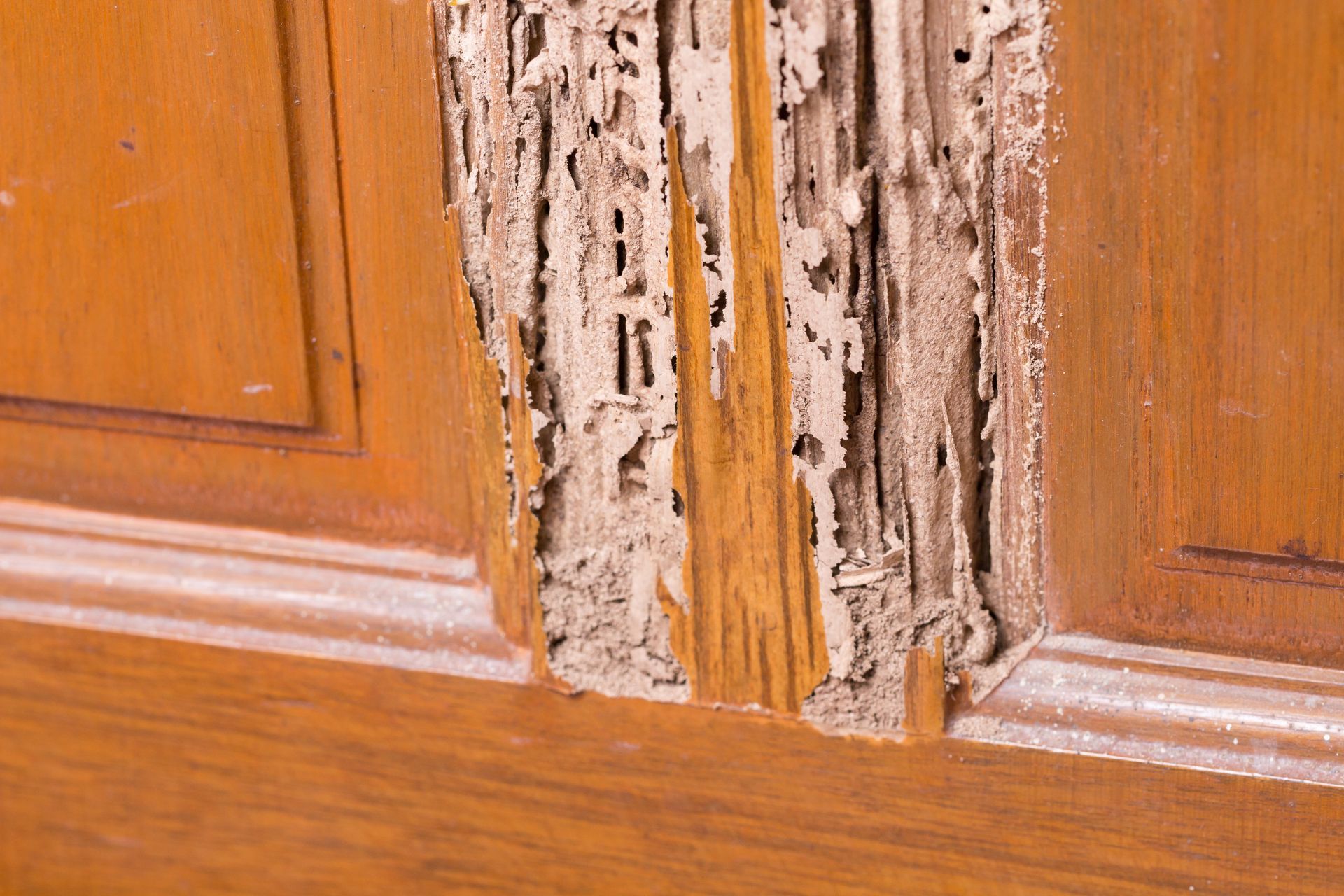
Rising temperatures and increased rainfall trigger subterranean termite swarms, typically beginning in March and April around foundations, mulch beds, and anywhere wood contacts soil. Ants also become active, moving into kitchens and bathrooms in search of food and moisture. Scheduling pest control services in Chesapeake, VA before swarm season begins gives homeowners a meaningful advantage.
Summer (June Through August)
Mosquito populations peak during these months. Standing water and shaded, vegetated yards near the swamp create near-ideal breeding conditions, with peak activity in July and August and the season running from April through October. American cockroaches also become a significant concern, seeking out humid crawlspaces, drains, and wall voids.
Fall (September Through November)
As temperatures drop, rodents begin moving indoors. Deep Creek, Western Branch, and older Great Bridge neighborhoods with mature tree canopy and wooded adjacency tend to see higher rodent pressure. Spiders and stink bugs also try to enter through gaps in siding, windows, and door frames. Fall perimeter treatments help block these entry points before pests establish themselves inside.
Winter (December Through February)
Many homeowners skip pest control in winter, but that is often a mistake in Chesapeake. Mild winters mean subterranean termites remain active in the soil, particularly in high-moisture areas. Rodents that entered in fall continue to nest and reproduce indoors. Cockroaches, silverfish, and moisture ants stay active in heated crawlspaces and basements throughout the cold months.
Why Year-Round Treatment Outperforms One-Time Visits
A single pest treatment can knock down an active infestation, but it cannot stop what comes next. Year-round protection builds and maintains a barrier that accounts for seasonal cycles. When one season's treatment is still in place as the next season begins, pests encounter an obstacle before they ever establish a presence inside the home.
For Chesapeake properties, recurring service matters for additional reasons. Perimeter barriers break down faster here due to heavy rainfall, high humidity, and proximity to waterways. Regular inspections catch early signs of termite activity before structural damage develops. Moisture control, often paired with residential pest treatment in this region, also reduces the conditions that attract pests in the first place. In a city with Chesapeake's environmental pressures, pest control services in Chesapeake, VA delivered on a recurring schedule are typically the more cost-effective approach over the long term.
What Pests Are Most Common Near the Great Dismal Swamp?
Homes near the Great Dismal Swamp corridor most commonly encounter Eastern subterranean termites, mosquitoes, American cockroaches, moisture ants, rodents, and silverfish. Damp crawlspaces and high ambient humidity are the primary conditions that attract and sustain these populations.
How Often Should a Chesapeake Home Receive Pest Control Service?
Most pest professionals recommend quarterly service visits, with additional targeted treatments as seasonal activity warrants. Homes near waterways, wooded lots, or with known crawlspace moisture issues may benefit from more frequent inspections. Consistent pest control services in Chesapeake, VA throughout the year are the most reliable way to prevent reinfestation between visits.
Does Pest Control Work Year-Round, Even in Winter?
Yes. Chesapeake's mild winters mean termites stay active underground, rodents remain inside once they have entered, and cockroaches stay active in heated spaces. Maintaining a treatment program through winter prevents populations from re-establishing before spring.
Schedule Year-Round Pest Protection for Your Chesapeake Home
Chesapeake homes near the Great Dismal Swamp face pest pressure that most Virginia cities simply do not. Year-round treatment is the most reliable way to stay ahead of it.
Forrest Exterminating, Powered by HomePro, has been protecting Chesapeake families for decades and offers free inspections with no pressure. Call
(757) 828-2914 to schedule your free home inspection, or
request service online. You can also
learn more about residential pest control services and what a customized protection plan can include for your property. For termite-specific concerns, visit the
termite treatment and control page to understand your options before damage has a chance to develop.