Termite Damage Repair vs. Termite Treatment: What's the Difference and Why You Need Both
Termite treatment and termite damage repair are two different services, and understanding both can help Chesapeake, VA, homeowners protect one of their most valuable assets. Many people assume that once termites are treated, the problem is fully resolved. That is not always the case. Termite damage repair services in Virginia Beach, VA, address something treatment simply cannot: the structural harm termites leave behind. This post explains what each service covers, why one without the other may leave your home at risk, and how working with a single vendor from inspection through repair can simplify the entire process.
What Is Termite Treatment?
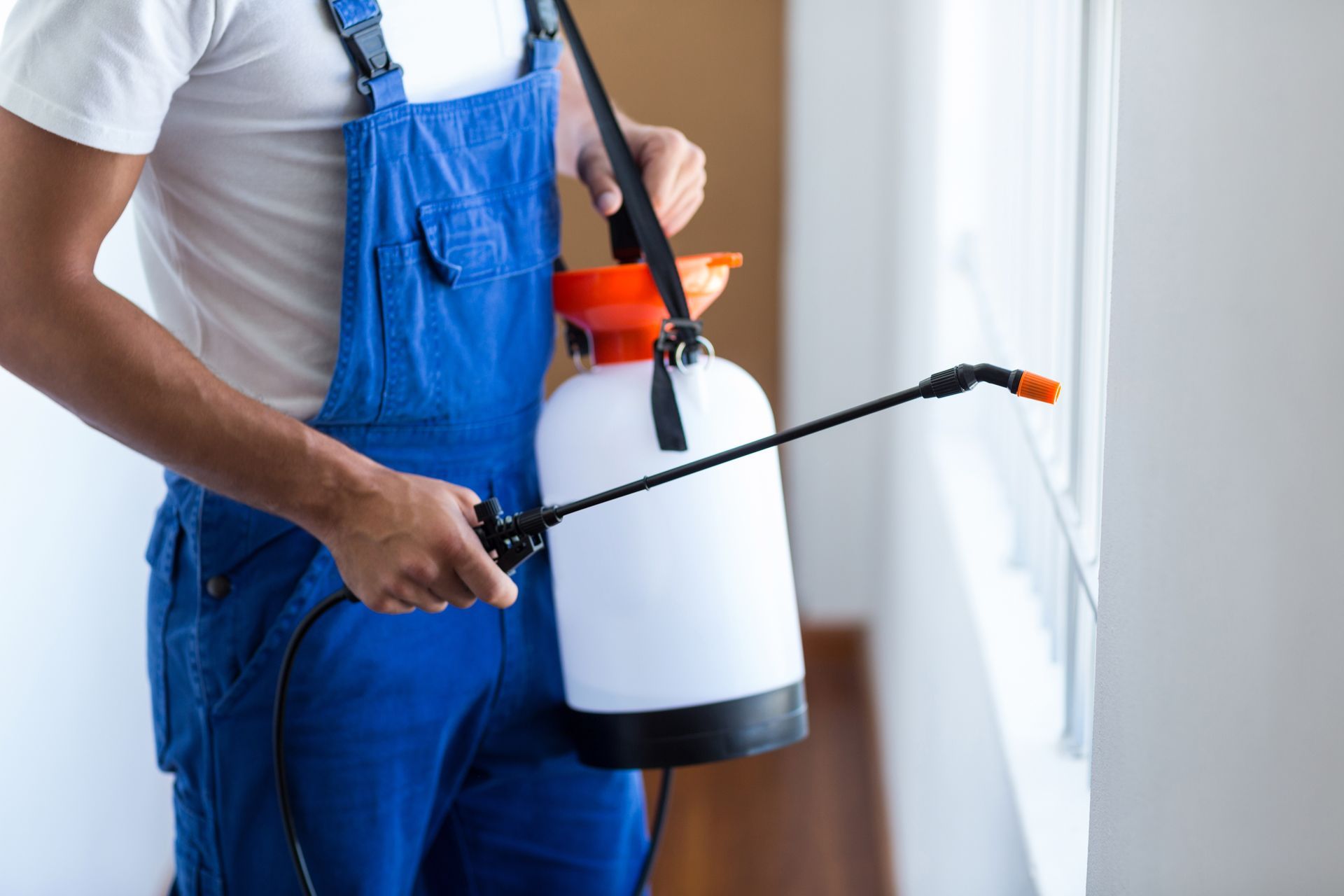
Termite treatment stops an active colony. Licensed technicians apply one of two primary methods to eliminate or suppress the infestation before it spreads further.
The first is a liquid barrier treatment. A termiticide is applied to the soil around and beneath your foundation, creating a zone that termites cannot cross. This method provides long-lasting colony control and works well on slab or pier-and-beam construction.
The second is a baiting system. Stations placed in the soil allow termites to carry a slow-acting bait back to the colony, which may eventually collapse it. Baiting systems also support ongoing monitoring as part of a long-term protection plan.
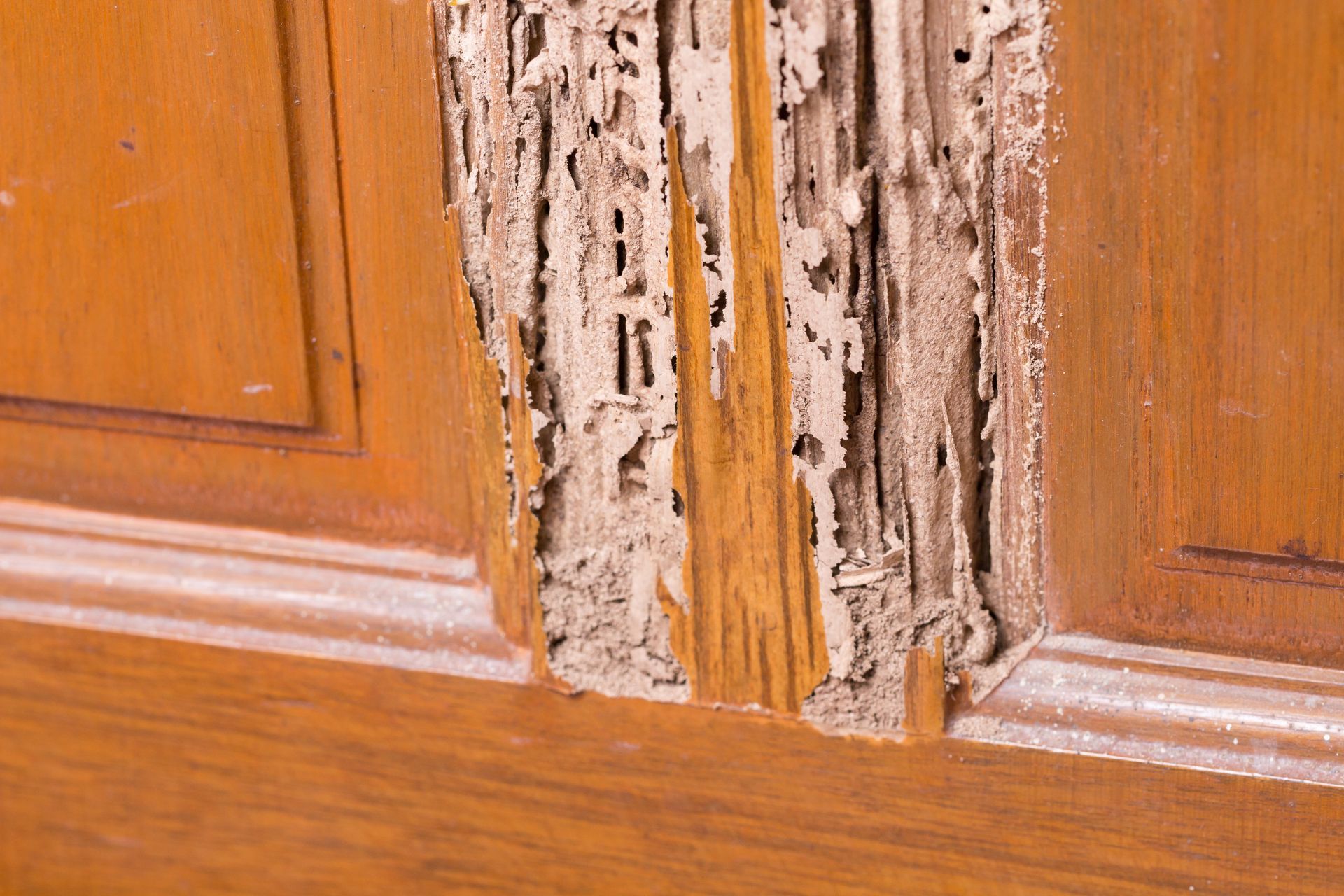
What treatment does not do is fix wood that termites have already eaten. Once framing, joists, or sill plates are weakened, the structural problem remains even after the colony is gone.
What Does Termite Damage Repair Cover?
Termite damage repair services in Virginia Beach, VA, restore the structural components a colony has compromised. In Hampton Roads, where crawl space construction is common and humidity runs high year-round, termites often target wood closest to the soil first.
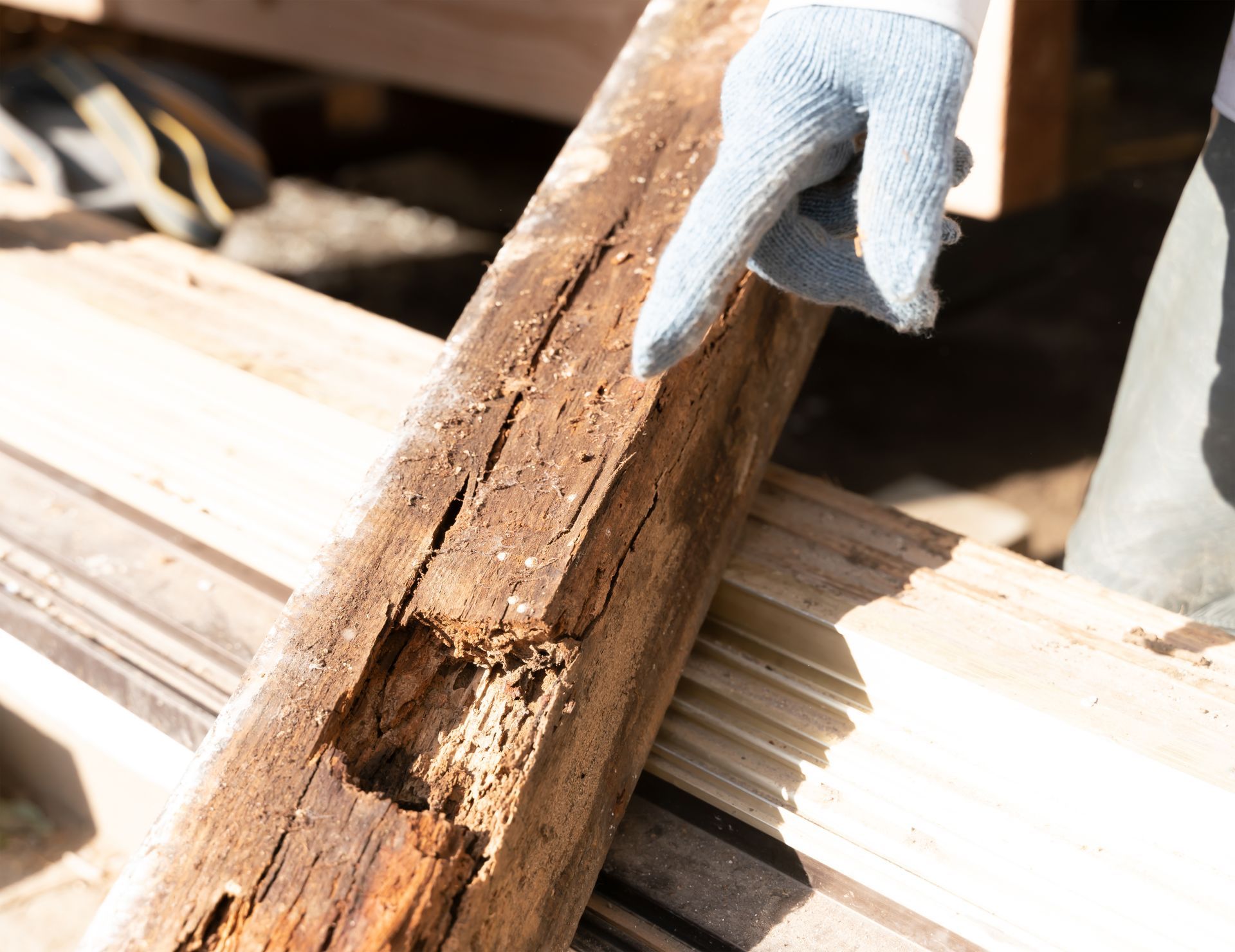
Typical repairs may include replacing rotted or hollowed floor joists, replacing sill plates, repairing or sistering damaged header beams, and removing compromised subfloor sections.
Neighborhoods like Great Bridge and Deep Creek in Chesapeake, VA, see a high volume of crawl space homes with pier-and-beam framing. Termite activity in the crawl space can go undetected for years. By the time visible signs appear, such as soft spots underfoot or sagging floors, the damage may already be significant.
Why Treatment Alone Is Not Enough
Treatment eliminates the pest. It does not rebuild the structure. A home with a treated but damaged crawl space may still have compromised joists, weakened sill plates, or subflooring that poses a safety risk. Skipping repair after treatment can lead to ongoing structural movement, moisture intrusion, and greater remediation costs down the road.
Why Repair Without Treatment Fails Too
New lumber installed into an environment with active termites can be re-damaged quickly. Repair should always follow confirmed successful treatment. The correct sequence is inspection, treatment, then repair, and ideally that process involves one team that understands all three phases.
What Is the Advantage of a Single-Vendor Approach?
One team handling inspection, treatment, and repair eliminates coordination gaps. When a homeowner hires a pest company and then separately finds a contractor for structural work, important details can fall through the cracks. A single vendor who knows both sides delivers a more complete, accurate result.
This matters especially in Chesapeake, VA, where clay-heavy soil, mild winters, and persistent humidity create favorable conditions for Eastern subterranean termites year-round. Crawl space homes in areas like Western Branch and Hickory may face termite pressure across multiple seasons, making a connected inspection-to-repair workflow particularly valuable.
Most standard homeowners' insurance policies do not cover termite damage, which makes early detection and coordinated repair even more important. Families who invest in termite damage repair services in Virginia Beach, VA, early in the process consistently avoid the higher costs that come with deferred structural work.
What Are Common Signs That Repair May Be Needed?
Homeowners should watch for these warning signs after a termite discovery:
- Soft or springy spots in the floor, which may indicate joist damage below.
- Doors or windows that stick or no longer close squarely, pointing to framing shift.
- Visible mud tubes along foundation walls or piers in the crawl space.
- Hollow-sounding wood when tapped, especially near the base of walls.
- Sagging or uneven floors in older rooms above the crawl space.
If you notice any of these in your Chesapeake, VA, home, a free crawl space inspection can determine whether structural repairs are needed alongside termite treatment. Providers repair services in can assess both the pest history and structural condition in a single visit. Learn more on the crawl space services page.
Take the Next Step With Forrest Exterminating
Termite damage repair services in Virginia Beach, VA, and the greater Chesapeake area do not have to involve multiple contractors. Forrest Exterminating serves Chesapeake, VA, homeowners with a full-scope approach that moves from initial inspection through termite treatment and into structural repair, all under one roof. The team offers free inspections, a 100% satisfaction guarantee, and a proven history of serving Hampton Roads families for decades. If termites return after treatment, the team comes back at no charge.
Do not wait for soft floors or sticking doors to signal that a problem has grown.
Contact the team today or call
(757) 499-1078 to schedule your free inspection.